Betrayal, and a war foretold
By now, outrage is widespread and unequivocal on the commander-in-chief’s role in the botched mission that claimed the lives of 44 Special Action Forces, 18 Moro Islamic Liberation Front fighters, and at least seven civilians. The kindest public opinion on the stories that have come out is that President Aquino is an unfeeling coward, one […]


 By now, outrage is widespread and unequivocal on the commander-in-chief’s role in the botched mission that claimed the lives of 44 Special Action Forces, 18 Moro Islamic Liberation Front fighters, and at least seven civilians. The kindest public opinion on the stories that have come out is that President Aquino is an unfeeling coward, one who refuses to take command responsibility and who couldn’t even take time off his schedule to receive and mourn his fallen “sons.” The most scathing is that Aquino willingly betrayed his sons by sending them into an ill thought-of battle, waiting in the wings with accolades in mind, and when the killing started couldn’t even raise a finger to stop it for fear of messing up a peace deal that was also supposed to be his administration’s crowning glory.
Majority of Filipinos indeed strongly feel the sting of this betrayal. Some have even called “treachery” the president’s apparent collaboration with suspended PNP chief Alan Purisima and potential grounds for impeachment. Many have called or revived calls for Aquino’s resignation or ouster, out of disgust over this latest show of arrogance, incompetence, and blatant disregard of the welfare of the Filipino people.
Betrayal is an apt term to describe not just today’s collective sentiment over the tragedy; it also describes where Aquino’s true loyalty lies. The Mamasapano incident shows he is loyal not to his troops, not to the Filipino people, but to his own interest, and to that which serves it the most: the US.
It will be an injustice to all those who died if the direct role of the United States government in the mission is glossed over or dismissed. The government’s admission that the US provided intelligence on the whereabouts of terror suspects Zulkifli bin Hir (a.k.a. Marwan) and Abdul Basit Usman, which caused the SAF to act, is only the tip of the massive iceberg that is US military intervention in the “war on terror” in Mindanao. Philippine Daily Inquirer reported that the mission was planned as early as September 2014 by ranking police officials and the Federal Bureau of Investigation, which also holds office inside Camp Crame. The US used spy drones–with questionable legality–to establish the terror suspect’s location, and gave reward money to a supposed informant within the MILF. Based on eyewitness accounts, our own report indicates that at least one US soldier was killed in the mission. Other news outfits meanwhile reported that the US military was among the first on the scene to retrieve the dead. It is quite possible that this is because the dead included one of their own.
This is unsurprising, given the fact that the SAF has been training under a Military Police Transition Team by the US 78th Military Police Batallion since 2010. And while US soldiers are prohibited by the law from engaging in direct combat, time and again stories of their engagement in combat–against the bandit group Abu Sayyaf, the MILF, and even the revolutionary New People’s Army–have surfaced.
That the SAF possibly allowed the US soldiers’ illegal participation in combat is enough cause for grave concern. Even more concerning is the statement of sacked SAF chief Getulio Napeñas. “Why, was the Pakistani government informed about the operation that got Bin Laden? No, right? This is the same. We received information that required action and it was our duty to take action,” he said. The gravity of this statement already seems lost in the tragedy’s aftermath, but is worth weighing for its implications. Operation Neptune Spear, in which Osama Bin Laden ostensibly died, was a purely US military act done without coordination with or involvement of the Pakistan government. Since this is prohibited under Philippine law, the SAF instead served as pawns in carrying out Operation Wolverine, which the SAF chief pretty much admitted is a similar covert US mission. And the president, a loyal US ally and probably excited over the achievement of capturing or killing “Southeast Asia’s most wanted terrorist,” saw no reason not to give his permission.
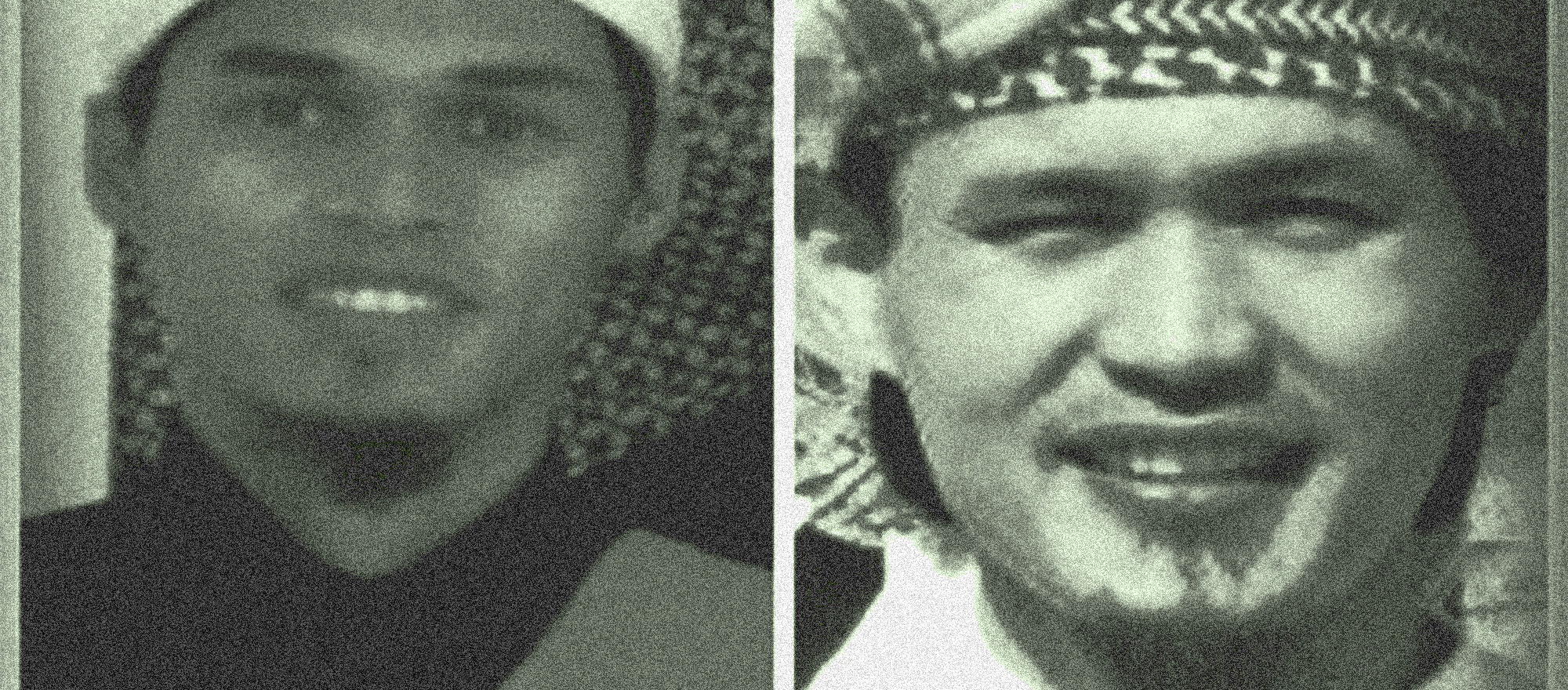
Except that there are all the reasons to say no. Topping the list is the ongoing peace process with the MILF, which many still pin their hopes on. Reports say that the SAF did not coordinate with the MILF out of fear that some members might tip off Marwan. This hawkish mindset is reflective of US military behavior in foreign countries: pursue “terrorists” at all costs, including human lives and a future of peace. Others are saying that the MILF knew about the terrorists’ presence and should have turned them over to the government in good faith (the group’s leadership denies this). But one thing is for sure: the government knew about the terrorist suspects’ presence and failed to coordinate in good faith. Worse, it allowed the US to give reward money, reducing the mission to a bounty hunt, instead of turning it into a sincere effort to flush out terrorists.
Given that, there is actually nothing sincere or heroic about the US “war on terror.” The Jemaah Islamiyah, of which Marwan is supposedly a top leader, was originally trained by the US against Soviet forces. And as bloody US interventionist wars across the globe increased, so did jihadists, some real, some bogies created by the US itself to justify its imperial presence. It does not help that the body of Marwan has not been actually recovered (and that he has “died” once before, in 2012), and that Usman has purportedly escaped.
It is no wonder that so-called achievements in the “war on terror”–especially those that result in a great loss of lives–always feel empty and full of foreboding. The enemy never seems real, and yet has the capacity to multiply, in numbers and in problems created for the people. Already, there are reports that Marwan had trained 300 bomb makers in Mindanao, and that they are ready to avenge his death and have pledged allegiance to the Islamic State of Iraq and Syria. Just as alarming are the calls for an all-out war against the MILF, and the spreading anti-Muslim sentiments among Filipinos.
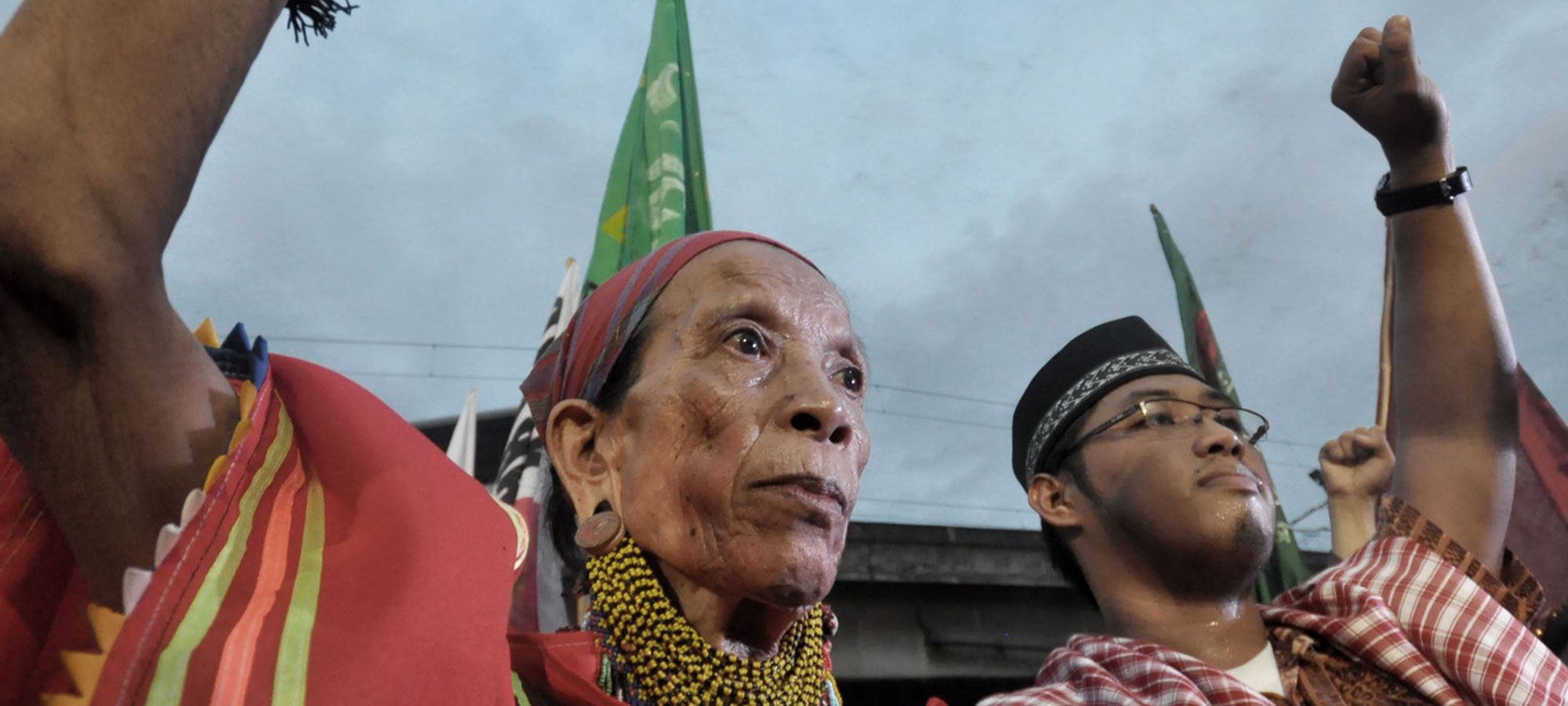
Even with Aquino’s declared commitment to pursue the peace process and the MILF’s pledge to demobilize its commanders and hold those responsible into account, it is unlikely that peace in Mindanao will be achieved. It is clear now more than ever that Muslim Mindanao–a land of rich resources historically denied to the Moro people–is not controlled by the people, but by ill-motivated rulers who talk peace but wage war. And as in any war, those who deem themselves oppressed fight back. This is a fact known to the US, who has always used war for political and economic positioning and domination.
That Aquino lets them do so–on our own soil, using our own people–is the greatest betrayal of all.